October 19th, 2010 — 6:00am
A few weeks ago I heard Seth Godin say, “Someone is going to put you out of business, it might as well be you.”. He was talking about how change and innovation will put every business out of business in time. So change and innovate your own business. Make what you are doing now obsolete by doing something better, before someone else does. Fix it even if it ain’t broke, and you can beat the unsettling, inevitable decline of what you do now. I love the proactive, make-your-own-destiny attitude in this.
October 12th, 2010 — 9:33am
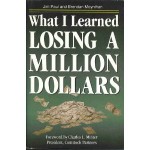
This book is about mistakes we make in business when we have a lot at stake emotionally. It’s a fairly short and intriguing story about the life of Jim Paul, a kid who grew up poor, became a very successful commodities trader, then lost it all. He writes with unusual humility and candidness. The mistakes he made are mistakes I could see myself making in business, so I valued the chance to learn from his experience.
I think the book is especially valuable for entrepreneurs, because it’s impossible not to have a lot at stake emotionally in a self-started business. It’s really not a book about making money, or about trading in the markets, it’s about the psychology of losing.
Here are a few key points I took from the book:
- It’s very dangerous to think you are successful because there is something a little bit special about you, that you are somehow a little bit charmed. One reason this is dangerous is because it puts your ego on the line when your success takes a downturn, and with so much ego on the line you’ll probably do expensive things to defend it.
- There’s a difference between “prophet motive” and “profit motive”. “Prophet motive” is when we are in something to prove that our prediction was right. This means if we get out, we have to admit we were wrong, which might cause us to stay in too long. He says don’t make it about being right in the first place.
- It’s essential to form a predefined exit strategy before you get into the emotional middle of a venture. “If we lose x number of dollars, we shut down the business.” “If we don’t return to profitability within x months, we’re done.” “If my investment idea loses x% I’ll abandon it.” Many people take losses much bigger than they would have been willing to allow had they written an exit strategy in advance.
This book was thought-provoking for me and I think it’s worth a read for anyone who’s in a position with something to lose and responsible for making decisions about what to do next. Here it is on Amazon.
September 29th, 2010 — 6:00am
There are some things money can’t buy, but there are lots of people willing to offer you those things for a price.
I’m talking about things like… Respect. Sex appeal. Peace of mind. Belonging. Identity. Camaraderie. Youthfulness.
I’m not saying the MasterCard commercials are wrong when they imply that a series of purchases (gas money, baseball tickets, hot dogs, and popcorn) can contribute to something deeper (a father/son bonding road trip to a big game). I think they’re right. Such an experience does involve spending money, and it can contribute to something deeper. But it also requires a relationship foundation and a certain quality of interpersonal interaction to make it work. The trip requires money, the relationship requires an investment of work and time over thousands of experiences and conversations.
Don’t get me wrong. I gladly spend money, sometimes lots of money, on things like books, teaching, or experiences that I believe will contribute to my relationships, deeper needs, and higher goals. I’m not telling you to be frugal. I am suggesting though, that a fast red car may not actually resolve the deeper issues behind a mid-life crisis.
These things that money can’t buy are found through a longer, more internal process, involving relationship building, personal growth, and perseverance. Don’t be drawn into trying to buy those things outright. That is very expensive and ultimately counter-productive. Accept that there are no shortcuts and engage in the longer process.
September 23rd, 2010 — 6:00am
…is not a persuasive advertising message.
I think some marketers sit down and think, “what outcome do we want from this ad campaign?” and then with zero creativity, they just write an ad to say what they want.
They want people to click on their ad. Advertising message: “Click Here Now”.
They don’t want people to drink and drive. Advertising message: “Don’t Drink and Drive”.
This one is on bright yellow signs all over Illinois right now. They want people to be more aware of motorcycles on the road. Advertising message: “Start SEEING Motorcycles”. Just like that, in caps, YELLING at us about what they want.
Don’t be like these marketers. Don’t tell your customers what you want. They don’t care. Tell your customers about something they want.
September 21st, 2010 — 6:00am
“Getting Things Done” by David Allen is a classic book on how to organize your tasks and projects most effectively. It’s not about time management, it’s about managing actions so when you have time to get things done, you will know quickly and completely what actions you have to choose from. I read it for the first time a couple of weeks ago. It’s good.
Key points from the book:
- Every pending item needs to be listed in your organizational system. Don’t try to remember anything in your head. A 100% complete system takes that load off your brain. I can say from recent experience, this really does enhance focus and reduce stress.
- Keep separate lists for items that are:
- “Ready” to work on
- “Waiting” for someone else
- “Scheduled” for a certain time in the future
- Things you’ll do “Someday/Maybe”
- Review your Ready list every time you have time available to work on stuff
- Use your calendar to keep track of Scheduled items
- Review your Waiting and Someday/Maybe lists once a week
I learned a lot from this book. I recommend it. Here it is on Amazon.